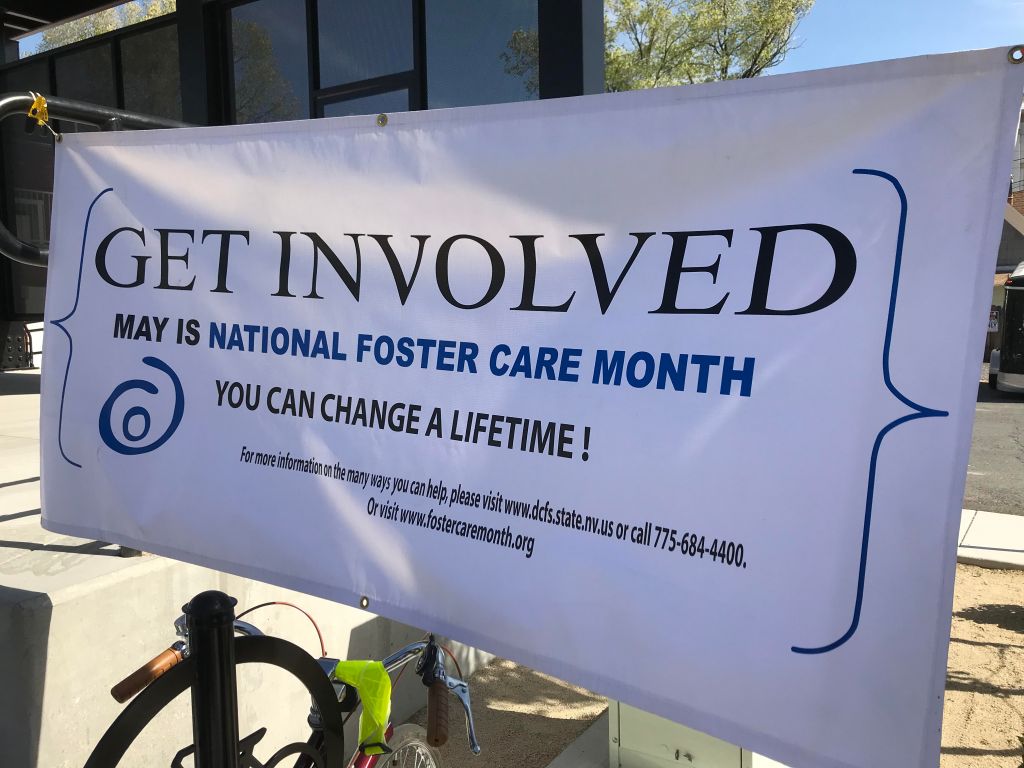
What if you were told that you had to leave your home tomorrow with no ID, no bank account, no job, no car, and only what you could carry in a trash bag? Imagine, too, that you did not have a single safe person to call for help. For many young people aging out of foster care, this was once their reality: “Happy birthday. You’re on your own.”
I’m glad to say this is not the way things are supposed to work anymore. Nevada, like many states, has extended foster care and other supports including the Independent Living Program for former foster youth that can continue into young adulthood. Government agencies and community organizations work tirelessly to provide options for housing, education, employment, and life skills. These programs give young adults the time and resources they need to learn how to navigate life on their own.
But what do young adults need most when they turn 18? Housing, jobs, education, financial resources, and basic life skills are all vital. But there is another need that can be harder to see: even just one permanent connection. That’s the person you call when your car breaks down on the side of the road. The person who invites you over for Thanksgiving dinner. The person you can vent to after a hard day or call when you need advice.
I’ve spent much of my career working in foster youth services, and one lesson I’ve seen repeatedly is the importance of having someone who cares. A difficult reality of foster care is that many of the adults in a young person’s life are paid to be there. That doesn’t mean they don’t genuinely care – I sure did care very much about “my kids” when I was a frontline caseworker! But professional boundaries exist, caseloads are real, and there are some kinds of support caseworkers simply cannot provide. They can’t always cosign an apartment, offer a place to spend the holidays, or be the person a young adult calls years later when they need help.
Think about an adult who was there for you as a teenager or young adult. Maybe they taught you to drive, helped you open your first bank account, or talked you through signing your first apartment lease. Those pivotal experiences are much harder without a support system. You may not be in a position to welcome a foster youth into your home, but you may have the time to mentor, listen, offer advice, or help a young adult move furniture into their first apartment.
One wonderful community partner we have is Court Appointed Special Advocates (CASA), which connects foster youth with volunteer advocates. You don’t have to be a social worker to make a difference. Whether you’re an accountant, electrician, nurse, small business owner, or simply someone willing to show up, you have valuable knowledge and experience to share. Sometimes, making a difference doesn’t mean changing someone’s whole life. It means being the person they know they can call.
Subscribe to learn more about the foster care system, community supportive services, and how YOU can help!


Leave a comment