
When news recently broke about Melania Trump’s foster youth education partnership with LSU, social media was filled with well-meaning comments celebrating the effort to make higher education more accessible to young people who have experienced foster care. As a supporter of both higher education and foster youth, I appreciate the investment. However, I couldn’t help but think about all the existing programs and resources that could benefit from more attention and support. Programs that it seems few people in the comments section were even aware existed!
Sometimes, even well-intentioned initiatives overlook the infrastructure already in place. There are many federal, state, and nonprofit programs that have been around for years working on improving the outcomes for foster youth. In Nevada, young people who have experienced foster care have access to valuable educational opportunities, including:
- Nevada System of Higher Education (NSHE) Foster Youth Fee Waiver: Covers eligible course registration fees at Nevada’s public colleges and universities.
- Education and Training Vouchers (ETV): Provides up to $5,000 annually to eligible students to help with college or trade school and living expenses.
- Federal financial aid: Completing the Free Application for Federal Student Aid (FAFSA) can open the door to Pell Grants, which offer up to $7,395 for the 2026–27 academic year, depending on eligibility.
These resources are wonderful, but there are still gaps, and not all former foster youth are eligible for all those sources of aid. And even when young adults are eligible for help, the challenges facing foster youth don’t end with tuition. Navigating adulthood without a strong family safety net can mean struggling to maintain safe housing, reliable transportation, or consistent employment. Rather than continually creating programs that overlap with existing services, we have an opportunity to strengthen the network already working to address these needs. Consider the potential of investing in:
- Chafee-funded Independent Living and ETV programs that help thousands of young people per year develop the skills and resources needed for adulthood.
- Extended foster care that gives eligible young adults additional time and support as they transition to independence. As of July 2025, 36 states including Nevada had opted into federally reimbursable extended foster care, and several other states have state-funded versions.
- HUD’s Foster Youth to Independence (FYI) housing vouchers which were launched in 2019 to help eligible young adults secure stable housing.
- General non-foster-youth-specific opportunities such as Job Corps, which provides free residential career training and education for young adults ages 16-24.
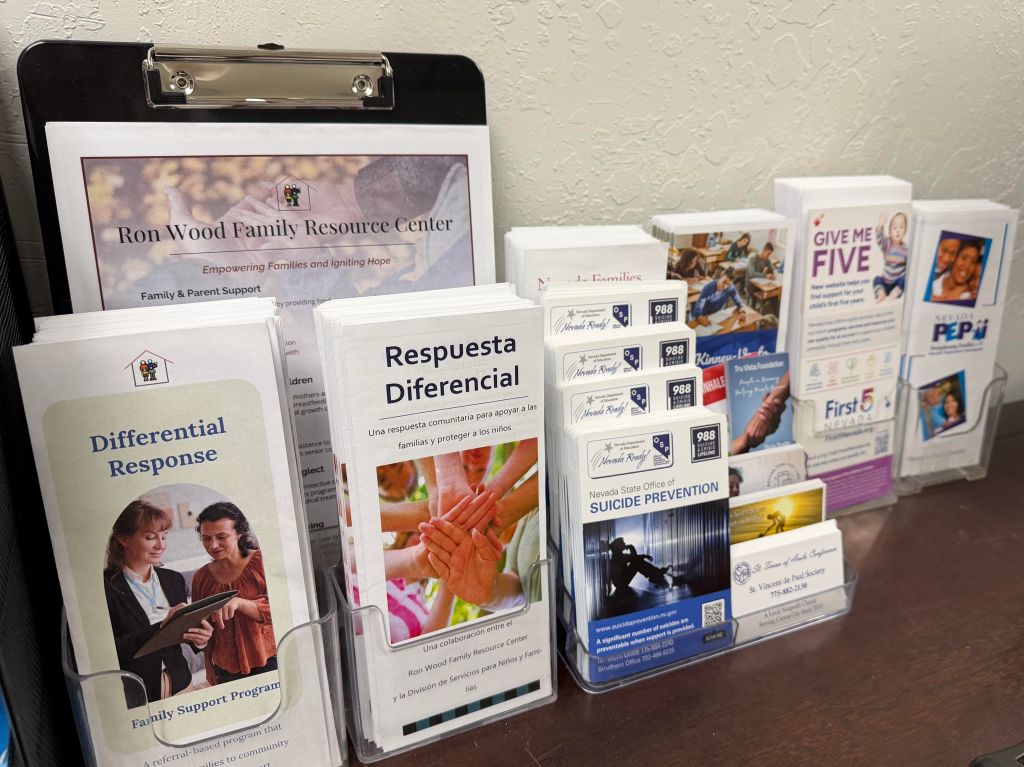
- Innovative local programs that address gaps in existing services, such as youth driving programs, mentorship, substance abuse intervention, mental health services, parenting support, disability resources, and initiatives that make banking more accessible.
The pathways already exist, and caring people have been doing this work for years. New initiatives and scholarships can certainly be part of the solution, but they should complement the resources already available, not distract from the work still needed to make them effective. Instead of measuring success by catchy headlines or the number of new programs announced, let’s measure it by the young people who actually have the support they need to build successful futures. From large federal programs to small local nonprofits, there are people doing this work every day – let’s make sure they have the resources to keep doing it.
This isn’t just a challenge in foster youth services. In any program or industry, how do we determine when a new initiative is truly needed versus when existing programs simply need more support? Have you experienced situations where resources could have been better used by strengthening what was already in place? I’d love to hear your perspectives!



Leave a Reply