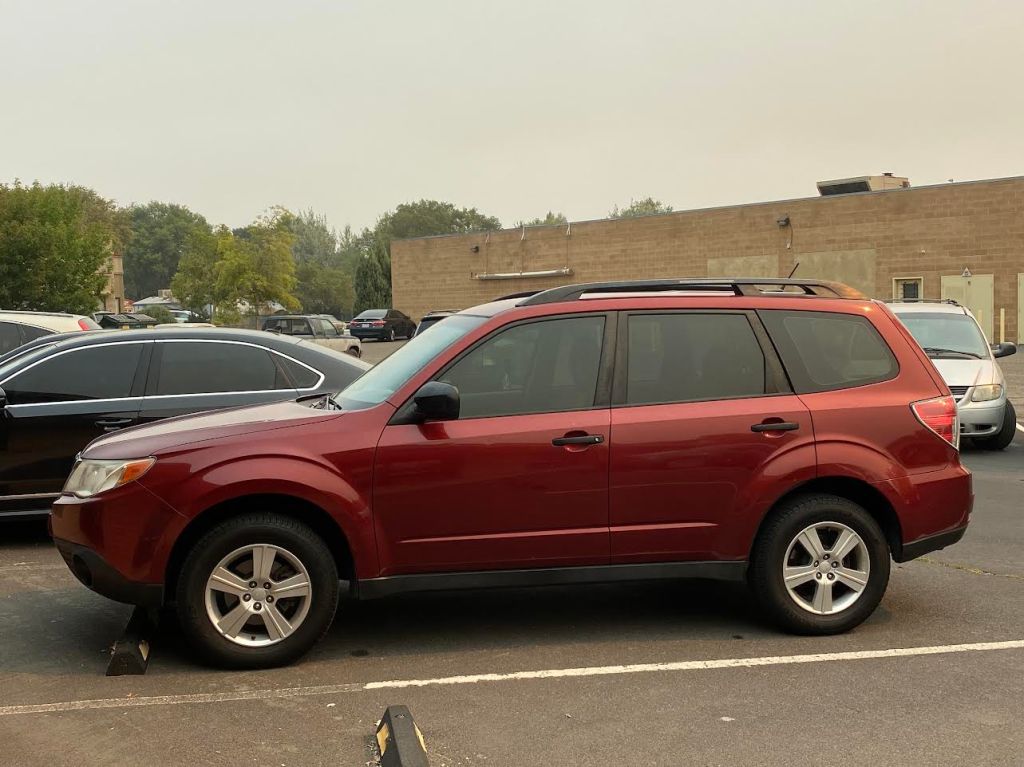
Do you remember your first car? If you are like many people, getting your driver’s license and first car was a rite of passage – a first step toward adulthood and freedom. Now, put yourself in the shoes of a teen in foster care who has done all the “right” things: earned good grades, stayed out of trouble, and planned for the future. Yet, being allowed to drive remains out of reach.
This barrier to independence is a hard reality for many teens and young adults in foster care. There are several obstacles standing in their way:
- Lack of a supportive adult: Teens may not have someone willing and able to teach them to drive, complete required practice hours, or provide the necessary signature of liability at the DMV.
- No access to a vehicle: Without a car to practice in or use for a driving test, getting a license can be difficult. Consider how important reliable transportation is for securing employment. Without a job, saving for a car and related costs, such as registration, becomes even harder.
- Missing documents: Essential paperwork, including a birth certificate or Social Security card, may be difficult to obtain.
- Inaccessibility of obtaining insurance: Foster parents may be hesitant or unable to add a teen to their insurance due to cost and liability concerns.
- Placement restrictions: Some foster youth live in group homes or residential treatment centers where driving may not be supported or permitted.
In rural Nevada, driving is about more than convenience. Public transportation options are scarce or nonexistent, making it difficult to access jobs, basic services, shopping, and medical care without a vehicle. The good news is that the Independent Living Program can help foster youth navigate the process and cover some related costs. However, gaps remain. So, what can you do to help?
- Support legislation. Learn about the Foster Youth and Driving Act, introduced in 2023 but not passed, and advocate for policies that help young people overcome these barriers if the legislation is reintroduced.
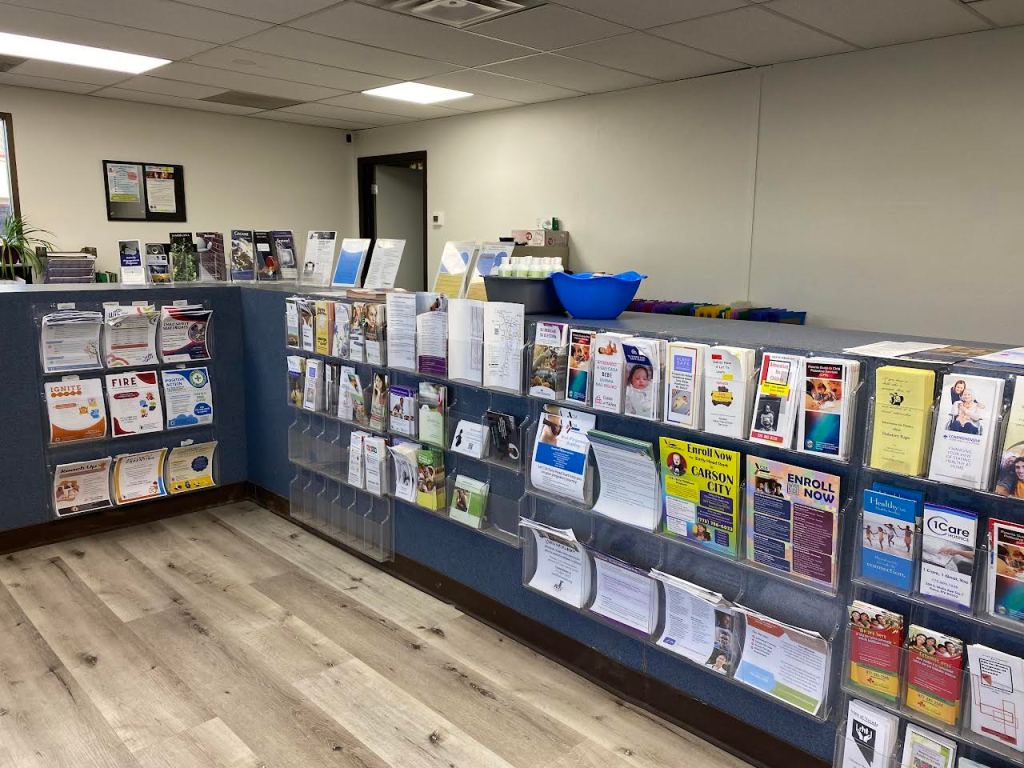
- Donate to organizations making a difference. Organizations like the Ron Wood Family Resource Center work to address these needs through their foster youth programs. Across the country, public agencies and nonprofits are finding innovative ways to help foster youth access the resources they need.
- Consider fostering or mentoring. As I discussed in a previous post, even one permanent connection can be life-changing. Sometimes, helping a young person reach independence starts with one adult willing to show up.
A driver’s license is more than a piece of plastic. It can be a key to opportunity, employment, and independence. Take one step today: learn about the barriers foster youth face in your community, support an organization working to address them, or become the supportive adult who helps a young person move forward. Every connection can help open the road to a brighter future.


Leave a Reply