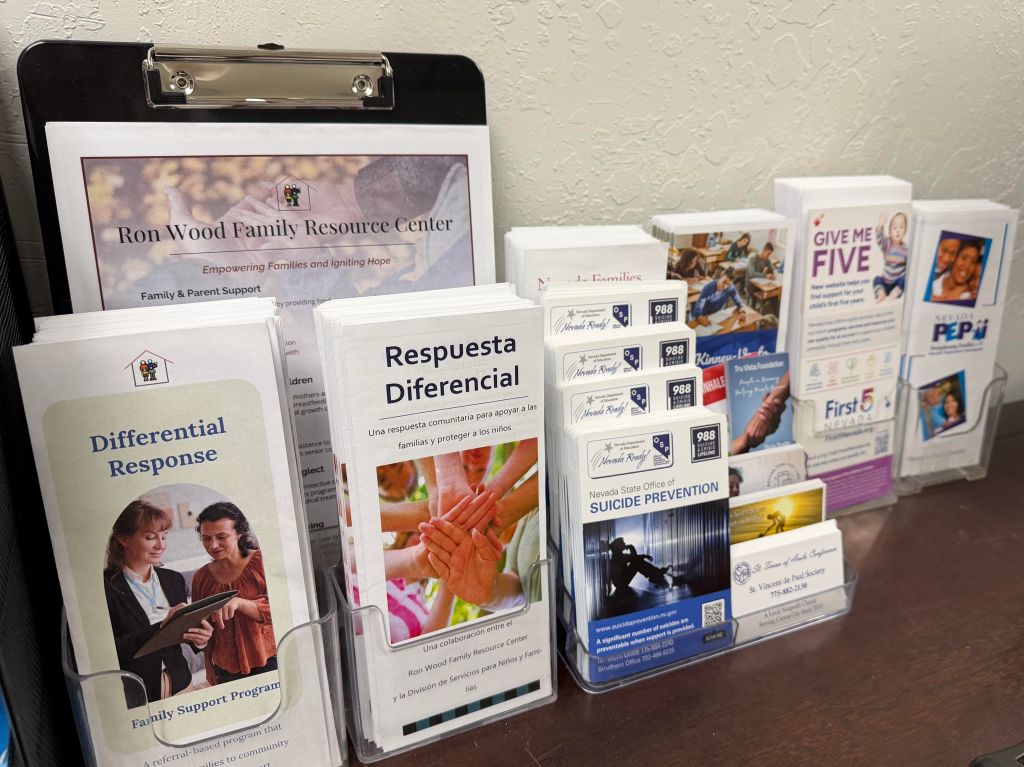
When a child welfare report is made, many people assume it will be treated in one of two ways: the state intervenes and takes custody of the child(ren), or the call is investigated and nothing further happens. In reality, it’s much more complicated than that. Many reports involve legitimate concerns, but not necessarily imminent danger or circumstances requiring children to be removed from their homes. Sometimes, families simply need a little help.
Consider a few examples:
- Educational neglect – A child may be missing school for many reasons, from caring for siblings to transportation challenges to bullying.
- Environmental concerns – Pest infestations, hoarding, or other issues with the home may indicate that a family needs additional support.
- Behavioral challenges – Parents or caregivers may need help navigating difficult behaviors, accessing mental health services, or finding resources for children with disabilities.
- Basic needs – Housing instability, food insecurity, and other financial hardships can create challenges for families who need additional support.
That’s where a “Differential” or “Alternative” Response can come in. Rather than approaching every report through a traditional investigative process, these programs can offer an alternative path focused on assessing family needs, providing direct services to address concerns, connecting parents with community resources, and preventing situations from escalating.
This formula for preventing placement in foster care received national attention with the 2018 Family First Prevention Services Act, but the idea of focusing on prevention preceded that legislation in many communities. In Nevada, Differential Response (DR) was piloted in 2007 and has since expanded in range, scope, and impact. We have seen that when we invest in families early, we give children a better opportunity to thrive.
The potential benefits are significant. According to this study which looked at Differential Response programs across the United States, states with DR programs had approximately 19% fewer substantiated reports, 25% fewer children substantiated for neglect, and a 17% reduction in foster care services utilization when compared to states without DR programs. Through additional support, difficult circumstances have an opportunity to improve before they become a crisis. These programs can also reduce the need for more costly, intensive state interventions. Most importantly, they recognize that keeping children safe within their homes – families remaining together – is the best-case scenario. These programs continue to evolve, and innovative new ideas continue to improve how we help families in need.
Have you heard of Differential Response Programs, or did this change your perspective? Share this post to help others understand that child welfare is not simply about responding when something goes wrong; it’s also about creating opportunities for things to go right.





Leave a Reply