How Much “Profit” Should a Nonprofit Have?
No one would look at their local restaurant, repair service, or another business and say, “They shouldn’t be paying rent! They shouldn’t buy supplies or pay their employees! That’s unethical.” And yet, when we research nonprofits to support, a key measure of ethical management is often the percentage spent on overhead. One good site to utilize is GiveRadar, where you can check statistics on an organization you are considering supporting. The general standard is that spending more than about 30% on administrative costs is too much and can be a sign of waste. We are often told that the more money an organization spends directly on services, the better.
Although I agree that overhead spending is one measure we should consider, I encourage us to look deeper at how we decide which organizations are doing good work. The Council of Nonprofits has great information on what is acceptable overhead. They also bring up an intriguing point: what if an organization spends too little on overhead? Nonprofits that are too large or complex to operate with volunteer-only staffing need to compensate their employees fairly, including administrative staff who may not be on the “front line” providing services. In many cases, they also need to provide facilities, furniture, technology, and supplies.
Consider this example: An employee at a nonprofit must spend hours completing paper timesheets because the organization is unwilling to invest in timekeeping software. This may result in lower overhead costs on paper, but it also creates a significant opportunity cost by taking an employee away from more productive work. In other words, the mission suffers because of extreme frugality.
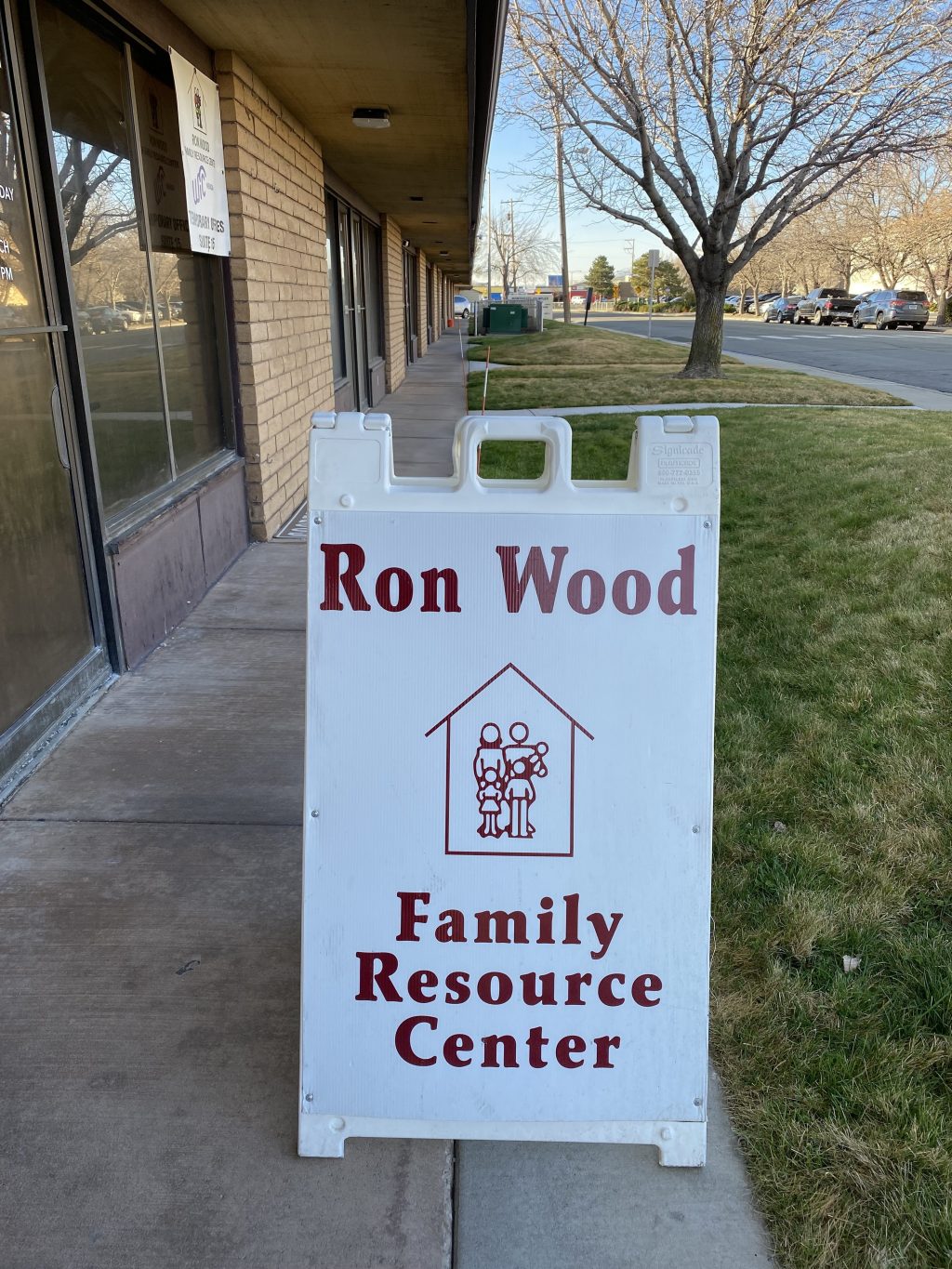
Another example: My organization has a bit of a problem. We don’t own the building we occupy. For many years, we did not pay significant rent, but that was never going to be sustainable forever. We are lucky – and grateful! – for our generous landlords, but affordable and functional facilities are a non-negotiable for any business, even a nonprofit. Having assets like a permanent facility can provide stability and contribute to the long-term viability of the crucial services an organization provides. Additionally, having a financial reserve is a sign of good fiscal management, not necessarily a red flag for potential waste. Organizations need some financial cushion to weather unexpected expenses, fluctuations in funding, and changes in the needs of the communities they serve.
Some grants will pay for overhead; others will not. Some donations are unrestricted, while others are restricted to certain causes. I encourage anyone on the legislative, grantmaking, or donor side of the table to rethink the narrative around indirect costs and restrictions. Allowable indirect costs – which can pay for expenses ranging from accounting and IT to building maintenance – are often very low, in some cases under 15% for community grants. There is a cost to doing business, especially good business, and the success of nonprofit programs depends on the health of the organization as a whole. Maybe the question shouldn’t be, “How much does this nonprofit spend on overhead?” Maybe the better question is, “Is this organization investing enough in itself to effectively accomplish its mission?”
Did you rethink any assumptions about nonprofit funding and overhead costs? Comment below!



Leave a comment