Working at a resource center, I see a wide range of needs addressed through services that support everyone from babies to senior citizens. One of the most common needs is also one of the most basic: food assistance.
The majority of our community service and volunteer hours take place at our food pantry, where we serve thousands of clients with just one paid staff member. We are a low-barrier food bank, meaning there are no income verification or work requirements to navigate, and the application process is simple. We want to make accessing food as easy as possible for families who need it.
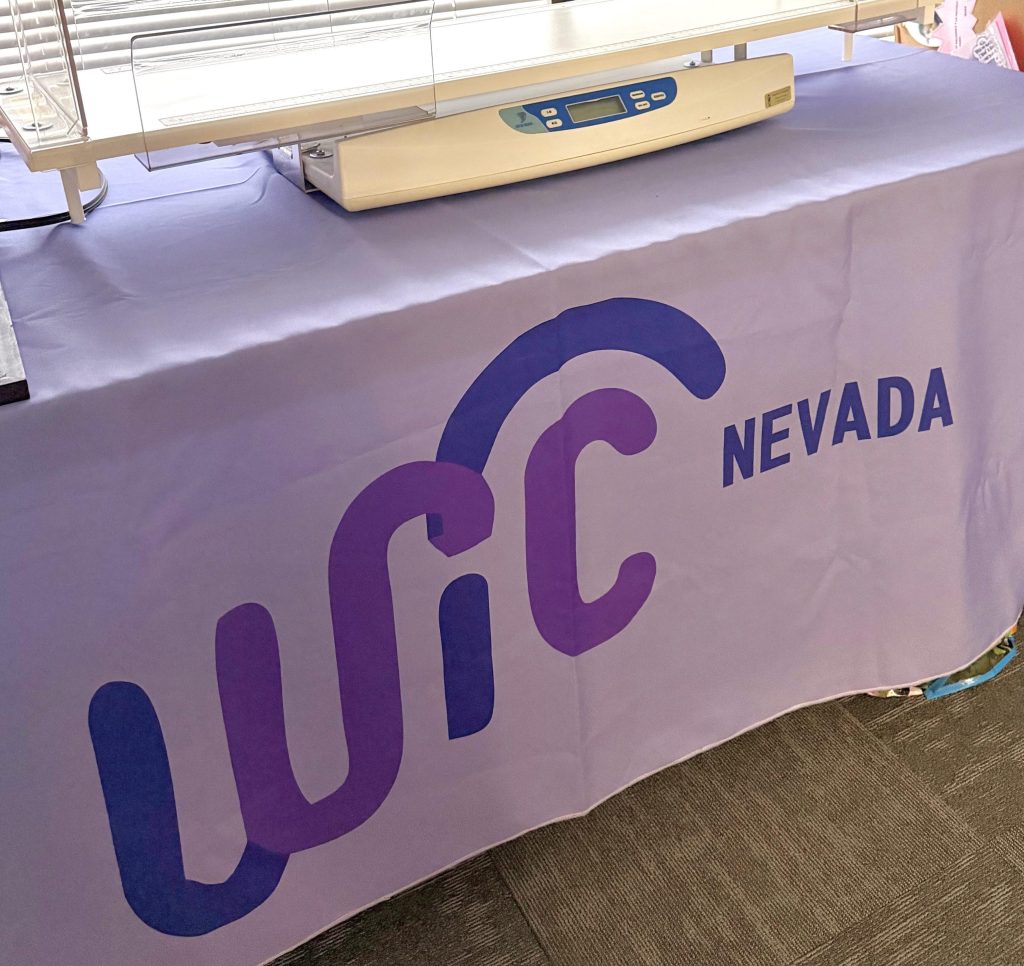
In addition to our food pantry, which serves the community at large as well as clients in our foster youth and differential response programs, we also have a WIC clinic. WIC is a particularly special program to me because it offers so much more than many people realize, and I was once a young mother with a WIC card.
A common question is: How is WIC different from food stamps (SNAP)? While SNAP provides eligible households with benefits to purchase groceries, WIC is a supplemental nutrition program specifically designed for pregnant and postpartum women, breastfeeding mothers, infants, and children under age five. It focuses not only on providing healthy foods but also on supporting the health and development of growing families.
WIC provides:
- Healthy foods: Monthly food benefits for nutritious items that support healthy growth and development.
- Breastfeeding support: Access to lactation consultants, breastfeeding education, and breast pumps.
- Nutrition education: Guidance on healthy eating, infant feeding, and childhood nutrition, along with growth and weight monitoring.
- Healthcare and community referrals: Connections to healthcare providers and other resources families may need.
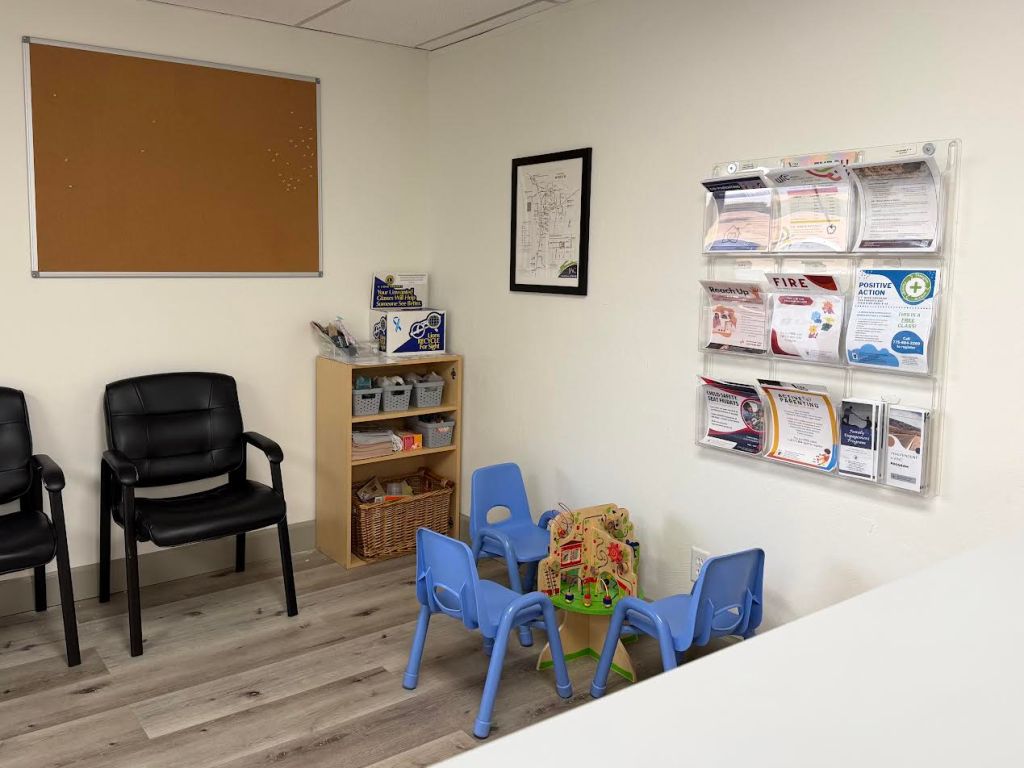
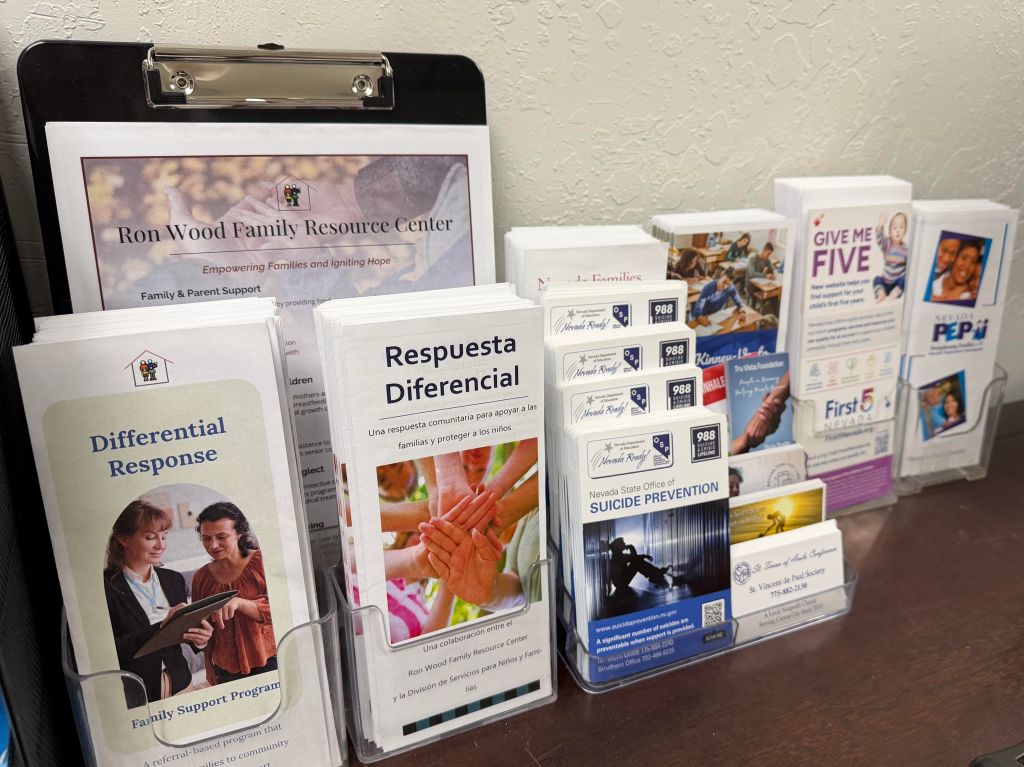
In our office, families can also access additional resources, including our car seat program and parenting classes. When a family is experiencing a crisis, we can help connect them to other community assistance as well.
Food insecurity is a much bigger issue than many people realize. According to the USDA, 18.4% of U.S. households with children experienced food insecurity in 2024. That represents millions of families who don’t always know where their next meal will come from. Programs like WIC help bridge the gap between families and the resources available in their communities. By addressing nutrition while also connecting parents to other support services, we can do more than put food on the table. We can help families build a healthier foundation for the future.
Have you ever been surprised by how many services are available through a single community resource? What are some lesser-known programs in your community that deserve more attention?



Leave a Reply