A couple of months ago, I was preparing a budget for a grant that would provide staff time, supplies, and equipment for a class designed to help children and their parents develop skills to function better as a family. The ultimate goal was to help prevent outcomes like substance abuse and involvement in the juvenile justice or child welfare systems. Great! But what does a class like this actually need?
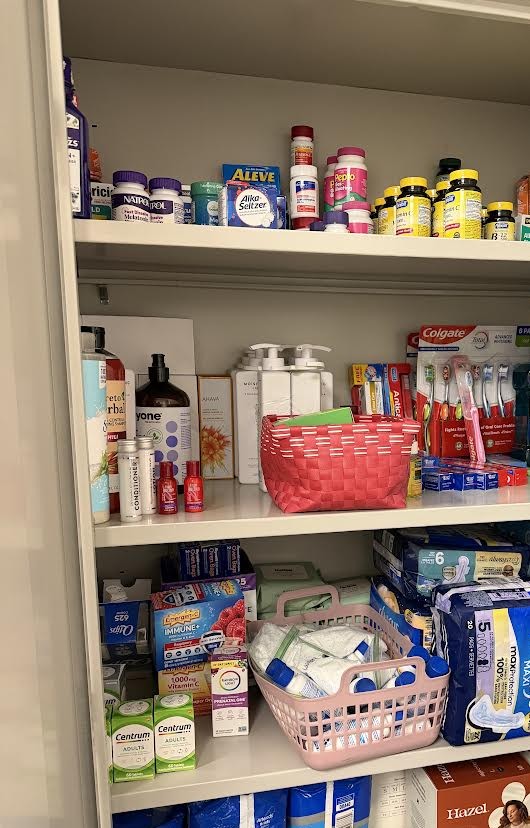
You might be surprised to learn that some of the items we requested were planners for time management and basic household supplies. I knew we have a hygiene cabinet for walk-in clients, but I had never considered that clients in our classes may also have similar needs. Without discussing the class themes and specific modules with the staff member who runs the program, I never would have realized that we should be funding those items for those clients as well!
As nonprofits grow, there is a natural shift toward having dedicated staff in different roles. What was once a one-person show can become an organization with departments and specialized job descriptions. How do we ensure that the frontline staff who understand client needs stay connected with the fiscal and leadership staff working to meet those needs?
There are two key ways to bridge this gap:
- Communication: Cross-training and information sharing. There are many techniques for building these connections!
- Empowerment: Giving staff the ability to make decisions while maintaining financial controls. Once again, there are a lot of strategies you can use.
To improve communication, organizations need a consistent flow of information, even to the point of formally cross-training staff to better understand one another’s roles. Do case managers know how much funding remains in their grants for equipment purchases? Are they aware of funding restrictions and fiscal reporting requirements? Likewise, do fiscal and management staff understand the programs and day-to-day operations beyond the numbers? Do they understand how time and money is really being spent? Leadership must make a concerted effort to ensure these groups communicate and share information that affects one another’s work.
Empowerment is equally important. While leadership is responsible for financial oversight and strategic planning, frontline staff bring crucial knowledge and insight to the table. No one is better equipped to identify a nonprofit’s operational needs than the people doing the work at the counter or in the field. They can help identify where more staff may be needed, which costs could be reduced, and which programs or services could benefit from expansion. Whenever possible, involving staff in these decisions and giving them autonomy can lead to better outcomes.
If you work in the nonprofit sector (or even if you don’t), take a moment to consider how well your organization connects its mission with its money. Take a walk across the hall to start a conversation, invite someone from another department to share their perspective, or look for an opportunity to involve frontline staff in a financial decision. After all, our budgets should do more than balance the books; they should help bring our mission to life.



Leave a Reply