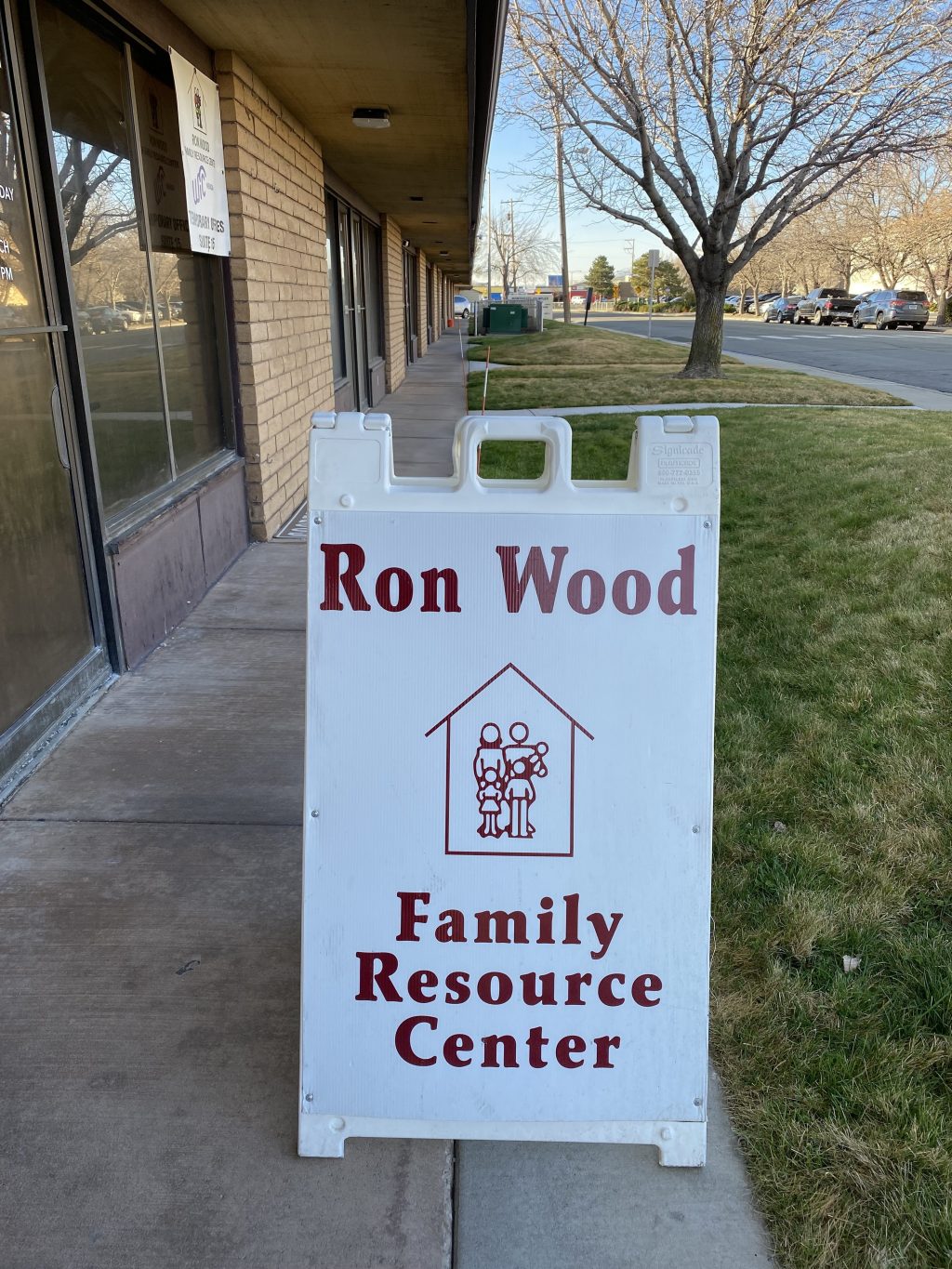
When you consider community-serving organizations, what first comes to mind? If you are like most people, you think of animal shelters, soup kitchens for the homeless, and maybe healthcare services or veteran services. But did you know that in Nevada, every county is served by family resource centers (FRCs) that can connect individuals and families with the services that they need? These FRCs act as a hub for at-risk clients who need resources, and if the services are not provided in-house, then referrals are made to other local organizations.
After 10 years working in a family resource center, I’ve learned that one of the biggest challenges facing families isn’t a total lack of resources – it’s needing a knowledgeable advocate on your side. Imagine these scenarios:
- You are a senior on a fixed income whose dog needs an expensive surgery; or
- You are a young adult who just aged out of the foster care system and needs help navigating college financial aid; or
- You are a victim of domestic violence who just secured safe housing but needs food and hygiene products for their family.
Each situation is vastly different, but the underlying challenge is similar: knowing where to turn for help. All these clients can walk into an FRC and receive support. Sometimes this will involve funding, classes, or direct assistance at the center, but other times a connection with another nonprofit, or a government entity, or a local business is provided. The case managers at the FRC give the support and guidance necessary, regardless of the end goal. We meet people where they are at.
FRCs are uniquely positioned to meet the needs of the communities they serve, so they do not all look the same. Some FRCs are housed in government agencies or school districts, while many others are nonprofits. The FRC that I have the privilege to work for is also a nonprofit, and it has excelled at adapting to meet needs arising from crises such as wildfires or the pandemic, patching service gaps that grantors are requesting support to fill, and creating entirely new programs when there was demand for them. We have a wide scope of programs including food assistance, foster youth supportive services, preventative case management for families with CPS involvement, car seat safety education, parenting classes, and more! The list evolves, not based on potential profit but based on need, which is the beauty of nonprofit work. The mission comes first.
In my time in this field, one lesson continues to stand out to me: resources are only useful if people can find and access them. So, do you know where you would turn for help if your family suddenly needed support? And what organizations in your community are helping people navigate those resources? Comment below!


Leave a comment